Don’t call me a Dandy
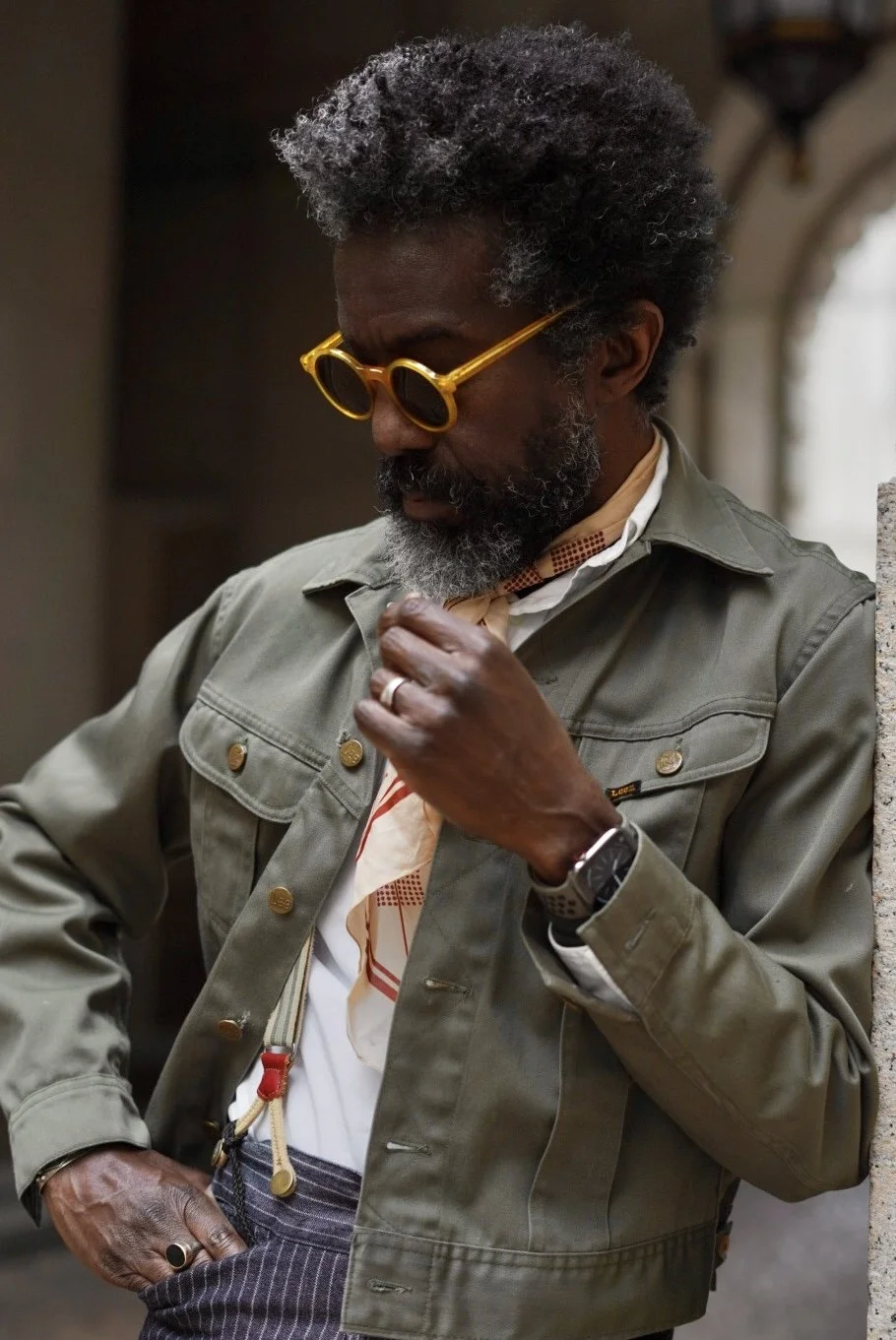
Or maybe you should. Black Dandies are having a moment. Last year, the Met Gala theme for 2025 paid tribute to the notion of Black Dandyism; discussions around the topic were everywhere on social media. My friends and family were sending me links to everything they came across related to the hoopla. Talks featuring experts on the topic—writers, performers, and thinkers—began popping up on YouTube and Instagram, eventually arriving in my inbox. Why me? What do I have to do with any of it? Let me explain.
In 2009, I launched a DC-based social club and called it Dandies and Quaintrelles. Membership wasn't restricted by race or the nature of your style. Now, despite being the talk of the town, we didn't really have "members." The group was essentially fictitious. Twice a year, I invited whoever was interested to join me for a romp through the nation's capital, riding whatever they brought while dressed to the nines in throwback attire. The foundation of the aesthetic was British Edwardian from about the '30s and '40s. Our fall ride is the DC Tweed Ride, and the spring ride is the Seersucker Social. I took the idea from the London Tweed Run, which happened earlier that year; my version inspired Tweed Rides all over the country.
We attracted hundreds—and sometimes over a thousand—people to join us for a fashionable bike ride and afterparty. Photographers from everywhere flocked to the events, pointing their cameras at every hipster and old-time bike collector within sight. We made a splash in local magazines, papers, blogs, and social media. In the lead-up to the ride, I did interviews with local radio and press. After each event, photos were posted everywhere; the images brought a few prominent local blogs much more traffic than they could handle. A few weeks later, the dust would settle, and life went back to normal until the next ride.
So, am I a Dandy? For years, I said “No!” I considered the look, as it was presented online and in some recently published books, to be too "old-timey"—something I could not consistently commit to adopting. I had plenty of vintage clothes, but not all from the same era. I mixed and matched pieces I’d found over the years to suit my own personal style and needs. I was also still experimenting, finding the styles I’d eventually incorporate into my overall appearance. I was nothing like the singer Dandy Wellington, whom we hired to perform after our events.
My perspective changed. Last summer, I visited the MET to see the exhibit for myself. It was more of a historical lesson about Black perseverance to maintain humanity and dignity through self-presentation with Western attire. Sure, there were great clothes on display, but what struck me was the story being told and the emotions it triggered. I visited during one of the exhibition’s final weekends, and the rooms were packed. It was also quiet. The throngs of visitors moved through the space in solemn observation of what was presented.
Dandyism wasn’t easy. It wasn’t simply about looking cool. It was always challenged. It had nothing to do with chasing retro period styles; it was about defiance. It was about identifying with personhood and whatever agency could be attained.